What Abilities Should AI Experts Have for Web Design, SEO, and Digital Marketing?
What does an AI expert actually do?
An AI expert assists organizations use artificial intelligence to tackle business problems, improve customer journeys, and make smarter judgments. In practice, that can mean developing machine learning workflows, examining data, setting up automation, and refining how teams work with tools powered by artificial intelligence. The role is not limited to coding. Strong AI experts know how technology drives business goals, from better web design to stronger SEO services and more efficient digital marketing.
One of the most valuable skills is the ability to turn data analysis into action. AI experts review patterns in customer behavior, sales, traffic, and engagement, then use those insights to inform data-driven decisions. They may create predictive analytics models to forecast demand, improve personalization, or guide content strategy. They also need prompt engineering skills so they website designer syracuse ny can get accurate, useful outputs from generative AI systems.
At the strategic level, AI experts often work as connectors between technical teams and business stakeholders. They help companies understand where artificial intelligence creates value, where automation reduces time, and where human oversight is still necessary. That balance matters for scalability, ethics, and long-term results.
Which technical skills should AI experts have?
Strong technical expertise is the foundation of successful AI work. A capable AI expert should be comfortable with Python, since it is one of the most common languages used for data analysis, machine learning, scripting, and workflow automation. Python also supports libraries for natural language processing, model evaluation, and predictive analytics, which makes it highly useful for digital transformation projects.
Statistics are equally important. AI is only as good as the methods used to interpret results, test assumptions, and measure performance. AI experts need a firm grasp of probability, distributions, correlation, regression, and experimental design so they can evaluate models responsibly. Without statistics, it is easy to overstate what a system is doing or miss key errors in model training.
Model training is another core skill. AI experts should understand how to organize datasets, split datasets, tune parameters, and check for bias or overfitting. They also need to know when a model is appropriate for the job and when a simpler approach will perform better. In many business environments, the best solution is not the most complex one.
API integration is highly valuable in real-world deployments. AI tools rarely exist in isolation. They need to connect with websites, CRMs, content management systems, analytics platforms, and marketing software. For web design and digital marketing teams, API integration allows AI to support automation, personalization, and reporting without forcing teams to switch between disconnected tools.
These technical skills also strengthen problem solving. AI experts should be able to resolve issues, understand system limitations, and recommend practical solutions that fit the company’s budget and timeline. This blend of technical expertise and business awareness is what turns AI skills into measurable impact.
What enterprise and planning competencies count most?
Top AI experts do more than create models. They link tech to business goals. That starts from problem-solving: pinpointing the real issue, separating symptoms from causes, and picking the right AI approach. A website traffic problem, for example, might not need a complex model. It may need better content optimization, clearer navigation, or stronger search intent alignment.
ROI is a key business metric. Leaders want to know whether AI tools reduce time, reduce costs, improve conversion rates, or lift revenue. AI experts should be able to describe expected returns in simple language and help teams prioritize projects based on impact. If a business invests in marketing automation, the expert should show how it enhances campaign performance or lessens manual workload.
Workflow optimization is another important skill. Many companies have repetitive tasks that slow down teams, such as lead routing, report creation, content tagging, or customer support triage. AI experts can analyze workflows and identify where automation can enhance speed, consistency, and scalability. This is especially valuable for organizations going through digital transformation.
Digital strategy connects everything. AI experts should know how websites, search, content, email, social media, and paid media work together. They need to know how artificial intelligence supports business goals across channels, not just in one department. That broader view helps companies build systems that are effective and aligned with growth.
In many cases, the best AI experts are the ones who can balance innovation with practicality. They know when to experiment, when to standardize, and when to preserve human review. That judgment is what makes AI effective rather than distracting.
How do AI specialists support web design and user experience?
AI specialists can create a big difference in web design by enhancing how a site appears, functions, and turns visitors. They use analytics and user behavior insights to identify where people get stuck, what pages deliver the best results, and which design changes may boost results. This makes the website more effective for users and more useful to the business.
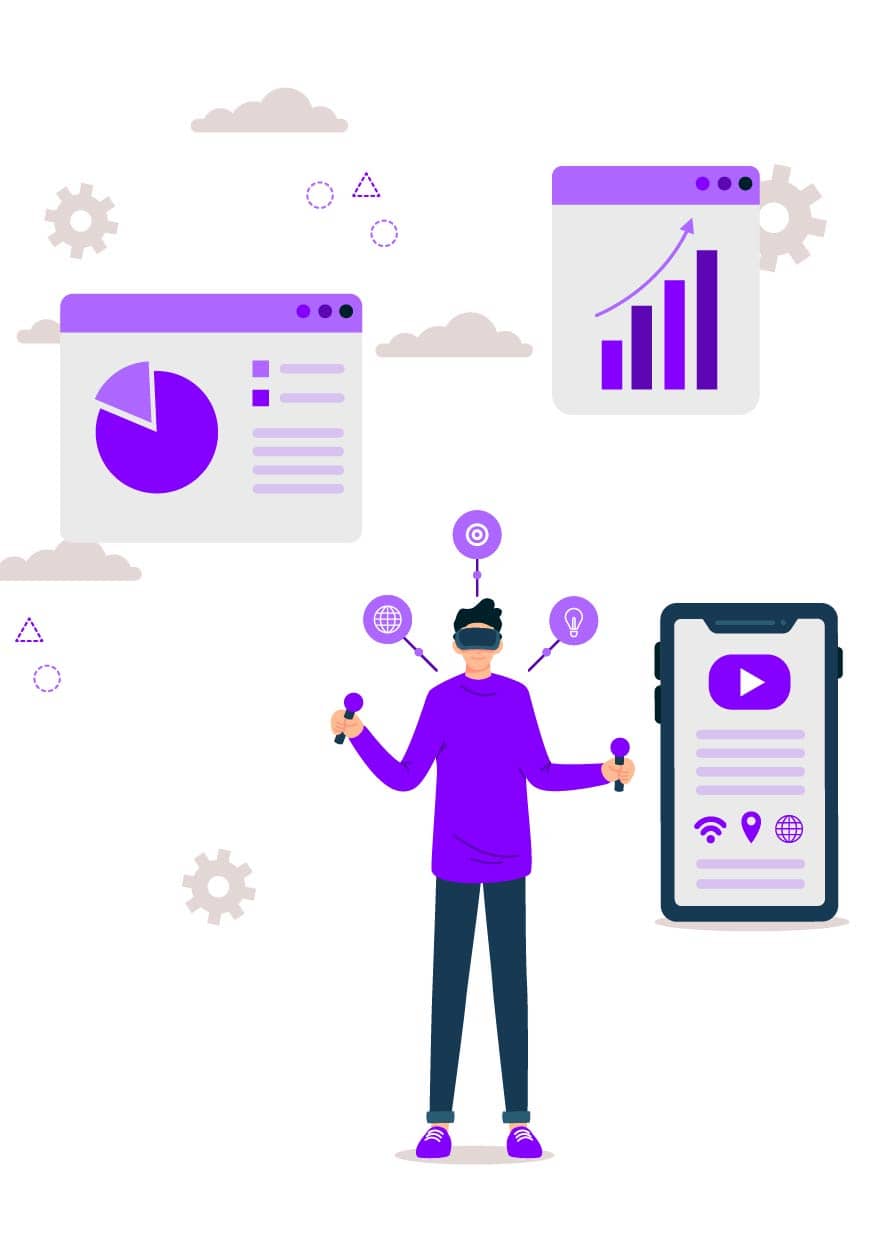
User experience is one of the clearest areas where AI can help. artificial intelligence experts may use machine learning signals to tailor page content, recommend products or services, or present the most relevant navigation paths. They can also study heatmaps, scroll depth, and click behavior to see how real visitors interact with the site. Those insights can lead to better layouts and better information architecture.
Accessibility is another important skill area. A skilled AI expert understands that successful design must work for people with different abilities and devices. They can help teams improve alt text workflows, detect accessibility issues at scale, and support content structures that are easier for screen readers and assistive technologies. Good accessibility is more than a compliance issue; it also enhances user experience for everyone.
Conversion rate optimization benefits from AI as well. By reviewing user behavior, AI experts can test headlines, calls to action, form lengths, and page layouts to determine what increases conversions. They may also use automation to support A/B testing or segment visitors by intent. When done well, these changes can minimize friction and increase leads or sales.
For businesses in competitive markets, web design should not be treated as visual decoration alone. It should support trust, usability, and action. AI experts help make that possible by blending technical expertise with a clear understanding of business goals.
How do AI experts improve SEO services?
AI professionals can improve SEO services by helping teams save time, set better priorities, and develop content that aligns with how people look for information. A major advantage comes from keyword research. AI can review large sets of search data, spot patterns, and suggest topic clusters that would be difficult to find by hand. This helps SEO teams build content plans that are both efficient and well-planned.
Search intent is equally important as keywords. An AI expert should be able to determine whether a query is research-based, transactional, navigational, or local. That matters because content performs best when it answers the actual intent behind the search. For example, a person searching for “best HVAC repair in Syracuse” has a different intent than someone searching for “how to maintain an HVAC system.” AI can help teams match pages, titles, and content structure with those differences.
Content optimization is an additional area where AI supports SEO. Experts can use artificial intelligence to improve headings, make content easier to read, identify missing entities, and make content more comprehensive without overloading keywords. They can also study competitors, identify content gaps, and recommend updates that improve search rankings over time.
AI can also assist with technical SEO workflows. It can help identify indexing problems, content duplication, metadata issues, and site structure inefficiencies. While SEO still requires human judgment, AI accelerates analysis and helps teams concentrate on the highest-impact tasks.
For local businesses, these skills are especially valuable. Strong SEO services can help a company show up for neighborhood or city-level intent in Syracuse, NY, where users often search with location-specific terms before making a call or visiting a business. AI experts who understand local SEO can help businesses appear in the right searches at the right time.
What abilities help AI experts succeed in digital marketing?
Digital marketing relies on quick feedback, precise targeting, and constant improvement, so AI experts can bring significant value here. They need to know how to evaluate campaign performance across channels like search, social, email, and paid media. By examining engagement, clicks, leads, and conversions, they can help marketers make data-driven decisions instead of relying on guesswork.
Personalization is one of the most powerful applications of artificial intelligence in marketing. AI experts can help teams create custom messages based on user behavior, lifecycle stage, or interests. That might mean adaptive content, product recommendations, personalized email sequences, or segmented landing pages. When personalization is done well, it can increase relevance and build stronger customer connections.
Marketing automation is another essential skill. AI experts can build systems that handle lead scoring, nurture sequences, follow-up reminders, and routine reporting. This cuts down manual work and gives marketers more time to concentrate on strategy and creative planning. Automation also boosts consistency, which is important for scaling campaigns.
AI can support cross-functional collaboration between marketing, sales, design, and operations. For example, an AI expert might help synchronize ad copy with landing page messaging, making sure the customer journey feels connected. They may also use predictive analytics to forecast which leads are most likely to convert, helping teams focus on the most promising opportunities.
The strongest digital marketing results come when AI supports the full funnel. From awareness to conversion, AI experts help teams use technology to improve campaign performance while keeping the human message clear and persuasive.
Which interpersonal skills separate great AI experts from average ones?
Technical ability matters, but soft skills often shape whether AI experts deliver real business value. Strong communication is one of the most important. AI experts must explain complex topics in language that executives, marketers, designers, and clients can understand. If they cannot translate technical detail into business impact, even excellent work may be overlooked or misunderstood.
Analytical thinking is equally important. AI systems can generate useful recommendations, but those outputs still need review. A strong AI expert asks whether the data is reliable, whether the model output makes sense, and whether the recommendation aligns with ethics and business goals. That level of judgment helps prevent costly mistakes.
Adaptability is essential because artificial intelligence changes quickly. Tools, platforms, and best practices evolve constantly. AI experts need to adjust to new model updates, shifting industry trends, and changing customer expectations. Helpful site They should also be comfortable learning new methods as technologies mature.
Cooperation turns individual expertise into team success. AI projects usually involve cross-functional collaboration across marketing, IT, design, leadership, and operations. An AI expert should know how to listen, use feedback, and work through tradeoffs without losing momentum. This collaborative mindset is especially important when AI initiatives affect many parts of the business.
Ultimately, the strongest AI experts are not just technically capable. They are trusted communicators, thoughtful problem solvers, and adaptable partners who help teams move forward with confidence.
In what way should AI experts keep learning and keep up to date?
Since artificial intelligence changes so rapidly, continuous learning is a necessity. AI experts need to keep up with model updates, emerging tools, and new methods across machine learning, automation, and natural language processing. Staying current helps them recommend solutions that are high-performing, streamlined, and useful to business needs.
Industry trends matter as well. Search behavior changes, marketing platforms evolve, and user expectations shift over time. An AI expert who pays attention to industry trends can spot opportunities earlier and help businesses adapt before competitors do. That awareness also supports better long-term planning.
Certifications can be useful, especially for demonstrating technical knowledge or validating expertise in a specific platform or workflow. While certifications are not a substitute for real experience, they can show commitment to professional development and continuous learning. They may also help AI experts stay disciplined in areas like cloud tools, data science, or automation platforms.
Strong AI skills also come from practice. Experts should test ideas, evaluate results, and refine approaches based on model evaluation and business feedback. Learning by doing helps them build judgment and improve their ability to connect technology with real outcomes.
In a field shaped by rapid digital transformation, the best AI experts are lifelong learners who stay curious, adaptable, and grounded in business value.
What ought Syracuse businesses look for in an AI expert?
Businesses in Syracuse, NY should look for AI experts who understand both technology and local market realities. Syracuse serves as a business hub for Central New York and nearby communities such as DeWitt, Camillus, and Liverpool, so companies often compete across a regional market rather than only a single neighborhood. That means AI support should strengthen local visibility, customer engagement, and operational efficiency.
Community company expansion depends on more than generic AI knowledge. A strong AI expert should understand how regional marketing works, including community-level and municipal-level search behavior. For example, a resident might search for a service “near Liverpool” or “in DeWitt,” while another may compare providers across Syracuse and surrounding areas. AI-driven SEO and digital marketing can help businesses match those search patterns more effectively.
It also helps if the AI expert grasps the needs of small business teams. Many local companies have limited staff, tight budgets, and a need for practical solutions. Whether the business is in healthcare, education, manufacturing, or home services, AI should reduce manual work, improve response time, and support better customer experiences.
Effective web design and local SEO can help Syracuse businesses stand out in a crowded regional market. An AI expert who understands conversion rate optimization, content optimization, and marketing automation can make a measurable difference. They can help a business attract more qualified traffic, respond faster to leads, and build a stronger digital presence across Central New York.
For Syracuse-area companies, the best hire is usually someone who combines technical expertise with communication, adaptability, and a clear understanding of business goals. That combination turns AI into a practical growth tool rather than a buzzword.
FAQ: What skills should AI experts have?
What technical skills should AI experts have?
AI experts should have strong technical skills in Python, statistics, machine learning, model training, API integration, automation, and data analysis. They also benefit from knowledge of natural language processing, model evaluation, and prompt engineering so they can apply AI skills effectively in real business settings.
Do AI experts need coding skills?
Absolutely, coding skills are very helpful, especially for building workflows, testing models, and connecting systems. Python is the most useful language for many AI tasks, but the level of coding needed can vary depending on the role. Even non-engineering AI experts should understand enough code to collaborate well and make technical decisions.
How do artificial intelligence experts help with SEO services?
AI specialists strengthen SEO services by helping with keyword research, evaluating search intent, strengthening content optimization, and spotting opportunities to raise search rankings. They can also help SEO teams work faster and more strategically by using data analysis and automation to guide decisions.
Why are communication skills important for AI specialists?
Communication is important because AI specialists often need to explain technical ideas to non-technical teams. Clear communication helps connect AI work with business goals, supports cross-functional collaboration, and ensures stakeholders understand the value of the solution. Without strong communication, even good AI work can fall short.
What should Syracuse businesses look for when hiring AI specialists?
Syracuse businesses should look for AI experts who understand local market dynamics, regional marketing, and small business needs. The right candidate should be able to support local business growth, improve web design and SEO, and use AI to increase efficiency and customer engagement across Syracuse, NY and nearby communities.